


223 Ammo
Showing 1–12 of 52 resultsSorted by latest
- Original price was: $850.00.$500.00Current price is: $500.00.
- Original price was: $850.00.$500.00Current price is: $500.00.
- Original price was: $650.00.$400.00Current price is: $400.00.
- Original price was: $1,000.00.$450.00Current price is: $450.00.
- Original price was: $750.00.$450.00Current price is: $450.00.
- Original price was: $500.00.$350.00Current price is: $350.00.
- Original price was: $700.00.$450.00Current price is: $450.00.
- Original price was: $750.00.$450.00Current price is: $450.00.
- Original price was: $850.00.$550.00Current price is: $550.00.
- Original price was: $700.00.$400.00Current price is: $400.00.
- Original price was: $850.00.$550.00Current price is: $550.00.
- Original price was: $800.00.$450.00Current price is: $450.00.

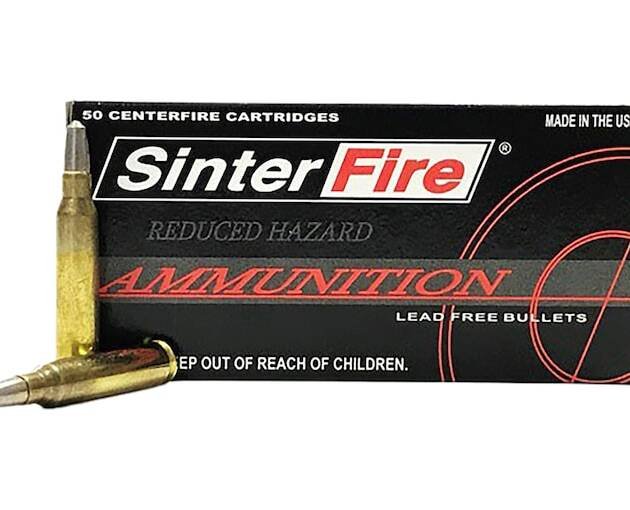
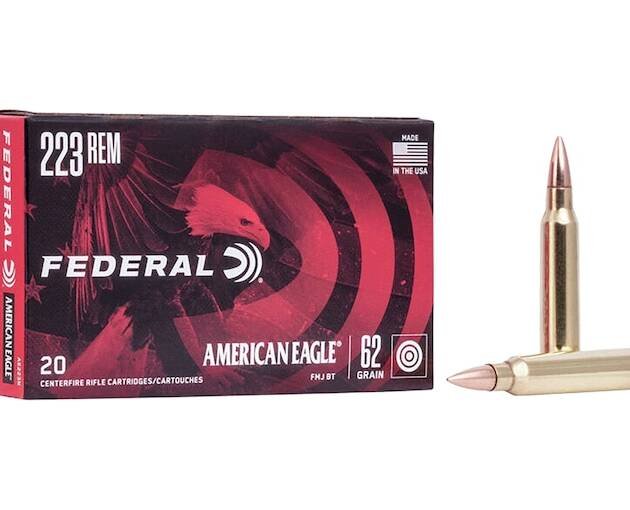
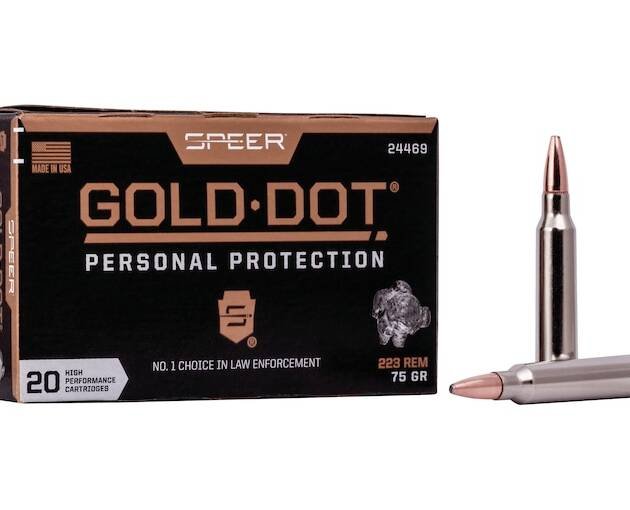


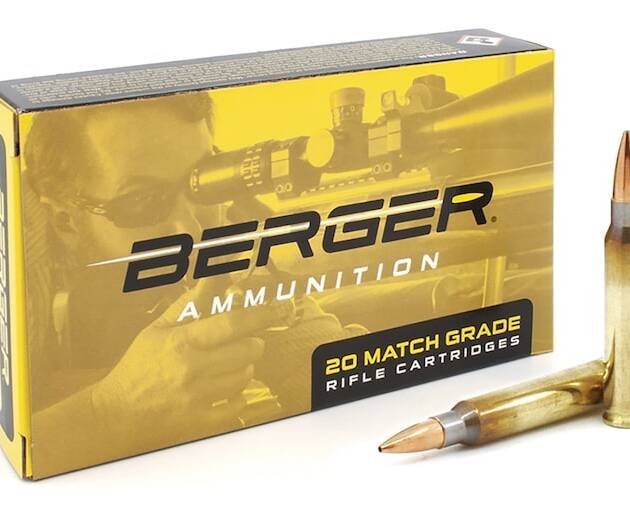
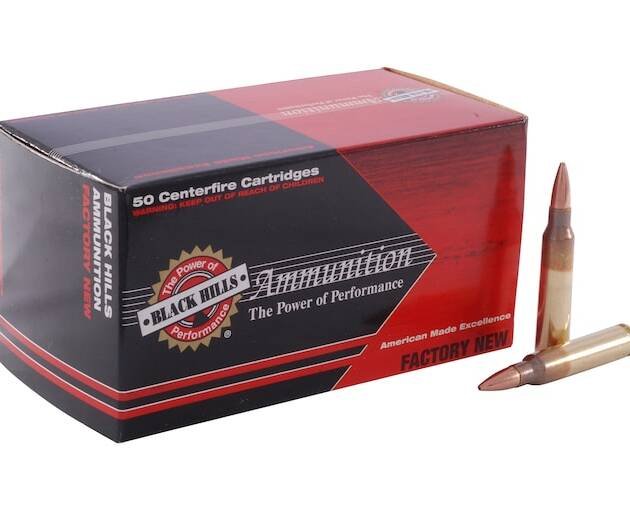
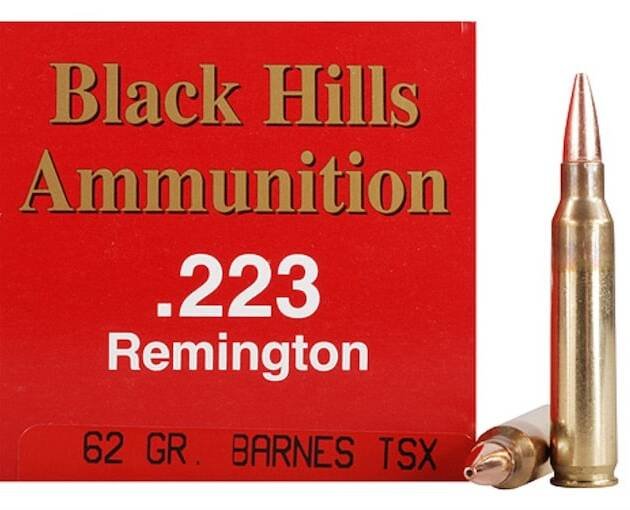

Bulk 223 Remington Ammo For Sale Online At Smoky Mountains Guns and Ammo
The first time you spot a coyote at the tree line, your heart speeds up. You want one clean shot, not a guess. That is why so many shooters keep 223 ammunition on hand, and why buying 223 ammo for sale in bulk matters when training season starts.
At Smokymountainsgunsandammo.com, you can stock up on bulk 223 ammo for the range, varmint work, and practical rifle use. Bulk cases also help you keep the same load lot-to-lot, which supports better consistency.
What is 223 Remington ammo?
223 Remington ammo (often written as .223 ammo) is a centerfire rifle cartridge that fires a .224-inch diameter bullet from a bottleneck case. It is popular because recoil feels light, accuracy can be excellent, and ammo comes in many bullet styles.
In simple words, it is a fast, small-bore rifle round that works well for training, predators, and general sporting use.
History
The story of the 223 Remington ammo starts with a push for a small-caliber, high-velocity military cartridge in the late 1950s. Development work linked closely with the AR-15’s early design path, and Remington later submitted .223 specs to SAAMI in the 1960s.
That origin matters today for one reason: .223 grew up around speed, controllability, and practical accuracy. Those traits still explain why so many shooters choose 223 ammunition for drills and volume practice.
Types of 223 ammunition
Different bullet designs create very different results on the target. Here are the main types you will see when shopping for 223 ammo for sale:
- FMJ (Full Metal Jacket)
FMJ is the classic range choice. It feeds well and keeps costs lower for high round counts. Many shooters use it for training and plinking.
- Soft Point (SP)
Soft point expands more reliably than FMJ. Hunters often choose it for small-to-medium game where legal.
- Polymer Tip (Varmint)
Polymer-tip varmint bullets expand fast. They suit coyotes and varmints, especially where you want a quick energy dump.
- Match (BTHP / OTM)
Match loads focus on consistency. You will see BTHP (boat-tail hollow point) and OTM (open tip match). These are common for accurate work and competition.
- Bonded or Monolithic Hunting Loads
Bonded soft points and copper bullets aim for deeper penetration and controlled expansion. They fit deer-capable loads where allowed and where shot placement stays disciplined.
Specifications of the 223 Remington ammo
These specs help you match ammo to your rifle and your purpose:
-
Bullet diameter: ~.224 in
-
Case length: 1.760 in
-
Overall length: 2.260 in
-
SAAMI max pressure: commonly cited around 55,000 psi
-
Primer: small rifle
These numbers explain why 223 cartridge loads fit AR-pattern magazines so well. They also help you compare .223 ammo for sale to similar rounds.
Design of the ammunition
The bottleneck case design helps feed and support higher velocity. The shoulder and neck shape also helps bullet alignment during chambering.
Most 223 rounds use brass cases, modern primers, and temperature-stable powders. That combination gives dependable ignition and repeatable performance when you buy reputable factory loads.
What is 223 ammo used for?
From a shooter’s view, .223 stays popular because it does many jobs well.
-
Range training and drills: light recoil supports fast follow-up shots.
-
Varmint and predator hunting: flat trajectory helps on small targets.
-
Competition and precision practice: match loads can group tightly.
It also works in a wide range of rifles, including AR-style platforms and bolt actions.
Best 223 ammo
“Best” depends on what you need that day. Here are practical buckets that match real buying intent at Smokymountainsgunsandammo.com:
1. Best for the range (value + reliability)
55gr FMJ training loads are a staple because they stay affordable and consistent. Federal lists AE223 55gr FMJ at 3,240 fps.
2. Best for predators and varmints
Polymer-tip loads (like V-MAX style bullets) bring explosive expansion on small game.
3. Best for accurate work
Match loads in 69–77gr often shine in faster twist barrels. Black Hills lists 77gr OTM at 2,750 fps (24″ test barrel).
4. Best for deer-capable setups
Controlled-expansion soft points and bonded bullets can improve penetration and performance. Federal lists Fusion 62gr .223 at 3,000 fps.
Also consider purpose-built deer loads like Winchester’s Deer Season XP line.
223 ammo Ballistics
Ballistics vary by barrel length, temperature, and lot. Still, published manufacturer data helps you compare loads.
| Load (example) | Bullet weight | Bullet type | Muzzle velocity (fps) | Muzzle energy (ft-lb) | |
|---|---|---|---|---|---|
| Federal American Eagle AE223 | 55 gr | FMJ | 3240 | — | |
| Federal Fusion | 62 gr | Soft Point | 3000 | — | |
| Hornady BLACK Match | 75 gr | BTHP | 2790 | 1296 | |
| Black Hills Match | 77 gr | OTM | 2750 | 1293 |
Tip: If you run a 1:7 or 1:8 twist, heavier match bullets often stabilize well.
Best 223 grain ammo
Think in “grain ranges” tied to purpose:
-
40–55 grain: common for plinking and varmints.
-
60–69 grain: a strong middle ground for wind and general use.
-
75–77 grain: popular for match accuracy and better downrange behavior.
Your barrel twist matters. Also, your rifle “likes what it likes.” So, buy a few boxes first, then buy bulk.
223 vs 556 ammo
People mix these two up for good reason. The cartridges look similar, but chambers and pressure standards differ. NSSF explains a key safety point: .223 generally runs safely in a 5.56 NATO chamber, but firing 5.56 in a .223-only chamber can create unsafe pressure in some setups.
If your barrel says “5.56” or “.223 Wylde,” you usually have more flexibility. If it says “.223 Rem,” stay cautious and follow the manufacturer.
223 ammo for deer
Yes, hunters do take deer with 223 ammo for sale, but it demands discipline. North American Whitetail notes there is no simple yes/no answer, and ethics depend on bullet choice, range, and shot placement.
Practical guidance:
-
Check your state’s hunting rules first. Some states restrict .22-caliber centerfire for deer.
-
Choose controlled-expansion hunting bullets, not basic FMJ.
-
Keep distances realistic, and prioritize broadside vital shots.
Best 223 defense ammo
For lawful home defense, many shooters look for loads that:
-
Feed reliably in their rifle,
-
expand or fragment consistently, and
-
reduce over-penetration risk compared to FMJ.
Bonded soft points and defensive-purpose loads often fit that goal set. Remington also frames .223/5.56 as common and versatile, including for personal defense, when used responsibly and legally.
22-250 ammo vs 223
If you want more speed, .22-250 Remington often delivers it. Sportsman’s Warehouse shows higher muzzle velocity and energy for .22-250 in their comparison table.
Trade-offs matter, though:
-
.22-250 can burn more powder and may increase barrel wear.
-
.223 usually costs less and comes in more bulk-friendly options.
350 legend ammo vs 223
.350 Legend is a straight-wall cartridge designed with deer hunting rules in mind in some states. Wikipedia notes it was introduced in 2019 and targets deer out to around 250 yards.
Key feel difference:
-
.350 Legend hits harder up close with heavier bullets.
-
.223 shoots flatter and often costs less to train with.
Many hunters practice with .223 and hunt with .350 Legend. That combination builds confidence.
Is 556 and 223 ammo the same?
They are close cousins, not twins. Dimensions look similar, but chamber design and pressure testing differ. NSSF gives the practical safety takeaway: .223 in 5.56 is typically fine, but 5.56 in a .223-only chamber can be risky.
When in doubt, follow the markings on your barrel and your firearm manual.
Best 223 ammo for coyotes
Coyotes reward speed and precision. That is where polymer-tip varmint loads and accurate soft points shine. Hornady’s V-MAX style loads emphasize rapid fragmentation at practical varmint velocities.
For windy fields, consider stepping up to a heavier bullet that your twist stabilizes. You often gain a little more downrange stability.
223 Remington ammo brand
When you shop 223 Remington ammo at scale, brand reputation matters. These makers have deep track records:
-
Federal (American Eagle for training, Fusion for hunting)
-
Hornady (BLACK Match and varmint lines)
-
Winchester (Deer Season XP)
-
Black Hills (match-grade OTM options)
Most accurate 223 ammo
Accuracy usually comes from match bullets, consistent brass, and a load your rifle “likes.” Black Hills lists multiple match offerings, including 69gr Sierra MatchKing at 2,850 fps and 77gr OTM at 2,750 fps.
Where to buy 223 Remington Ammo online?
If you want a clean, bulk-first way to buy 223 ammo for sale, use Smokymountainsgunsandammo.com as your base for:
-
bulk 223 ammo for training days,
-
hunting-capable soft points, and
-
match-grade 223 ammunition when accuracy matters.
For best results, buy based on your mission first. Then match the bullet type to that mission. Finally, confirm your rifle’s chamber (.223 vs 5.56) before you stack cases.
